Calendar
What to Plant in November in Zone 8: Garlic, Peas, Onions and Bulbs
 By Petr Hess · Updated November 4, 2026 · 7 min read
Here is what to plant in November in zone 8. You can still plant garlic, garden peas and onion sets in the mild Southeast coastal belt, sow radishes in North Central Texas until mid-month, and plant spring bulbs, trees and shrubs almost everywhere in the zone. In the Pacific Northwest, November is the last chance for cover crops. Your first frost is usually this month or just behind you, so anything tender needs to come in or be covered.
This page sits under the zone 8 planting calendar. Zone 8 is unusual because it covers three very different climates: the humid Southeast, the dry and windy southern Plains, and the wet maritime Northwest. Each section below says which one a date belongs to, and every date shifts with your microclimate.
Why now: zone 8 soil stays workable all winter, but the cool-season planting windows for garlic, peas and onions close in the next few weeks. Miss them and you wait until January.
At a glance: zone 8 in November
- First frost: October 15 to November 15 on the South Carolina coast (Clemson HGIC). Average November 17 in North Central Texas, with last frost March 18 (Rockwall County Master Gardener guide, Texas A&M AgriLife).
- Plant now, Southeast coast: garlic to November 30, garden peas to November 30, onion sets and transplants to November 15.
- Plant now, North Central Texas: radishes to November 15. Garlic and onion transplants wait until January.
- Plant now, Pacific Northwest: garlic, cover crops (last chance), spring bulbs.
- Everywhere: spring bulbs, trees and shrubs, hardy annuals such as pansies.
- Harvest: collards, kale, cabbage, turnips, mustard, spinach, lettuce and radishes from fall plantings.
- Key jobs: watch frost forecasts, mulch beds, set up cold frames, control slugs in wet areas, cover asparagus and rhubarb.
Zone 8 November planting dates by region
| Crop | SC coast (Clemson) | North Central Texas (AgriLife/MG) | Western Oregon (OSU) |
|---|---|---|---|
| Garlic | Oct 1 to Nov 30 | Sep 15 to Oct 30, or Jan 1 to Feb 15 | Good time in November |
| Garden (English) peas | Aug 15 to Nov 30 | Sep 15 to Nov 1 | Not listed |
| Onion sets / plants | Sets to Nov 15, plants Oct 1 to Nov 15 | Plants Jan 1 to Feb 15 | Not listed |
| Radish | Window closed in October | Sep 20 to Nov 15 | Not listed |
| Spinach | Aug 15 to Oct 15 | Sep 15 to Nov 1 | Not listed |
| Cover crops | Not listed | Not listed | Last chance in November |
Clemson's cooler Piedmont column closes these windows in October (garlic October 15, peas October 30), so in the South Carolina Midlands any November planting of garlic or peas is late.
Sow indoors
Zone 8 does not need indoor vegetable sowing in November. Use the month to get ready for January instead:
- Order onion transplants now if you garden in Texas. AgriLife's onion guide recommends Candy, 1015Y and Legend (yellow), Texas Early (white) and Candy Apple (red).
- Bring houseplants in before the first frost, checking for insects first (Clemson).
- Grow a windowsill herb pot of lettuce, chives and parsley, as Oregon State suggests for November.
Sow or plant outdoors
Garlic
On the Southeast coast and in western Oregon, November is prime garlic time. Clemson's chart runs the coastal window from October 1 to November 30, and OSU calls November a good time to plant for a harvest next summer. In North Central Texas the fall window closed on October 30. You can still plant from January 1 to February 15 there.
Garden peas and onions
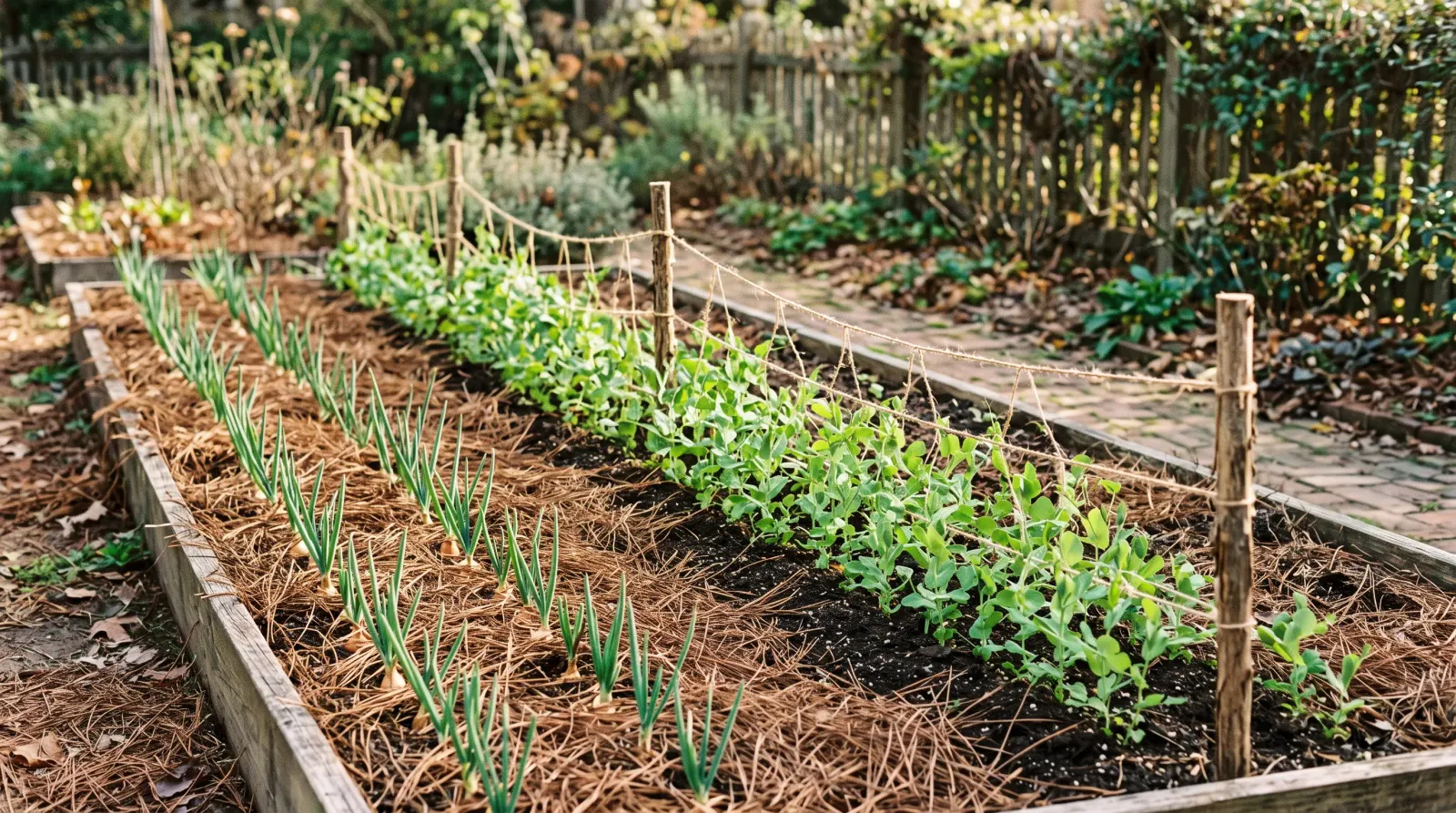
Coastal gardeners can keep sowing English (garden) peas until November 30 and set out onion sets and transplants until November 15. In Texas, AgriLife says onions can be seeded from October to December, about ¼ inch (6 mm) deep and 1 inch (2.5 cm) apart, then thinned to 2 to 3 inches (5 to 8 cm). Transplants and sets wait until mid-January.
Radishes and quick greens
North Central Texas gardeners have until November 15 for radishes, which mature in 25 to 40 days. Spinach and turnip windows in that guide closed on November 1. Anything sown later is a gamble on a mild December.
Cover crops in the Northwest
Oregon State calls November the last chance to plant cover crops for soil building in western Oregon. If you miss it, OSU suggests a 3 to 4 inch (8 to 10 cm) layer of leaves over the plot to block winter weeds and stop heavy rain compacting the soil.
Bulbs, annuals, trees and shrubs
Clemson lists cool-season hardy annuals, spring-flowering bulbs, trees and shrubs for coastal November planting, and OSU says there is still time for tulips, daffodils, hyacinths and crocus. In the Midlands, Clemson also suggests sowing wildflower seed now so it gets the cold and winter rain it needs to germinate.
Harvest
- Collards, kale, mustard and cabbage from late-summer plantings. Clemson gives a rough cold limit of about 10°F (-12°C) for cabbage, collards and kale, so these rarely need cover in a zone 8 November.
- Spinach tolerates about 20°F (-7°C), and broccoli about 21°F (-6°C). Pick broccoli heads before a hard freeze.
- Lettuce takes light frost only. Cover it on clear, still nights.
- Turnips, radishes and carrots from September sowings.
- Green tomatoes and peppers left at the first frost. Clemson's Midlands team suggests turning them into chow chow relish.
Floating row cover adds about 4 to 8°F (2 to 4°C) of protection, according to Clemson. Lay it over plants in the afternoon to trap ground heat, and keep plastic off the leaves. For crops you plan to keep in the ground until spring, see our overwintering vegetables guide.
Garden jobs
- Watch frost forecasts and have covers ready. On the South Carolina coast, first frost can arrive any time until mid-November.
- Set a portable cold frame over rows of winter vegetables (OSU).
- Cover asparagus and rhubarb beds with composted manure and straw (OSU).
- Mulch beds and rake leaves only where needed. Clemson suggests leaving dormant perennials standing where you can.
- Watch brassicas for insects, which stay active in mild coastal weather (Clemson).
- Skip nitrogen on lawns this late, which Clemson says raises disease pressure. Clean and sharpen the mower before storing it.
- Control slugs in wet areas. OSU advises baiting for slugs in rainy spells with traps or pet-safe phosphate baits, and mulching around berries for winter protection.
- Check stored potatoes and remove any that are going soft (OSU).
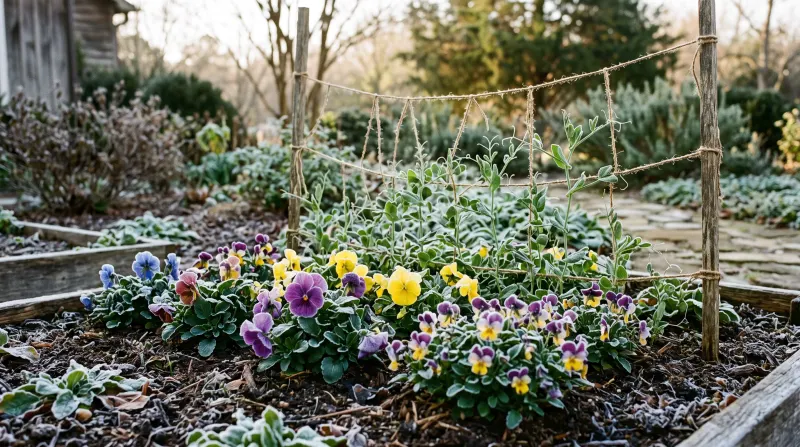
- Deadhead pansies and other winter annuals to keep them flowering, and leave some seedheads standing for birds (Clemson).
- Look ahead. The zone 8 December calendar covers the next round of jobs, including onion planting prep.
Project of the month: a backup power plan for winter storms
Zone 8 winters are mild most of the time, which is exactly why a rare ice storm or windstorm catches gardens unprepared. When the power goes out, so does the seedling heat mat, the greenhouse fan and the freezer full of this year's harvest. A portable power station, a rechargeable battery pack rated in watt-hours (Wh, the amount of energy it stores), can keep small loads like these running until power returns. Our portable power stations guide is the place to start.
Frequently asked questions
Can I still plant garlic in zone 8 in November?
It depends on where your zone 8 garden is. Clemson HGIC's coastal South Carolina window runs to November 30, and Oregon State calls November a good time in western Oregon. In North Central Texas the fall window in the AgriLife-based Master Gardener guide closes on October 30, with a second window from January 1 to February 15.
When is the first frost in zone 8?
It varies more than most zones. Clemson HGIC puts the first frost on the South Carolina coast between October 15 and November 15. The Rockwall County Master Gardener guide for North Central Texas uses an average first frost of November 17 and last frost of March 18. Pacific Northwest gardens follow their own pattern, so check local data.
What vegetables can I sow in zone 8 in November?
On the Southeast coast you can still sow garden peas and plant onion sets and transplants until mid-November, per Clemson's chart. In North Central Texas, radishes can be sown until November 15. Most other fall sowings closed in October.
Should I plant onions in November in Texas?
Texas A&M AgriLife says onions can be seeded from October to December, but onion transplants and sets go in from mid-January to early February. The Master Gardener chart for North Central Texas lists onion plants from January 1 to February 15.
Sources
- Clemson HGIC, Planning a Garden (planting chart, Coastal and Piedmont)
- Clemson HGIC, This Month in Your Garden: November 2023
- Clemson HGIC, This Month in Your Garden: November 2022
- Texas A&M AgriLife Extension / Rockwall County Master Gardeners, Vegetable Planting Guide, North Central Texas (2024)
- Texas A&M AgriLife Extension, Easy Gardening: Onions
- Oregon State University Extension, November garden calendar (EM 9615)
- Clemson HGIC, This Month in Your Garden: December 2024 (cold tolerance and row covers)